


Asbestlint, a term that might not cross your mind every day, carries with it a legacy of danger and health risks. Once hailed for its versatility and strength, asbestos has become synonymous with caution and concern. Many people are unaware of the hidden perils associated with this seemingly harmless material.
In homes, schools, and workplaces across the globe, asbestlint lurks in products that were once considered safe. Understanding what asbestos is and recognizing its dangers isn’t just an academic exercise—it’s crucial for protecting ourselves and our communities. Let’s delve into the world of asbestlint to uncover its history, health implications, safety measures you can take, regulations governing its use, and promising alternatives on the horizon. Knowledge is power; let’s equip ourselves to face these challenges head-on!
What is Asbestos?
Asbestos is a naturally occurring mineral composed of thin, fibrous crystals. Its unique properties—heat resistance, strength, and insulating abilities—made it highly sought after in various industries.
Historically, asbestos was used extensively in construction materials such as insulation, roofing shingles, and flooring tiles. The material’s durability made it an attractive choice for builders looking for longevity.
However, the fibers can easily become airborne when disturbed. When inhaled or ingested, these microscopic particles pose significant health risks to individuals over time.
There are several types of asbestos minerals: chrysotile (white asbestos), amosite (brown asbestos), and crocidolite (blue asbestos). Each variation has distinct characteristics but shares similar hazardous effects on human health.
Understanding what asbestlint is lays the groundwork for recognizing its potential dangers and the importance of safety measures within environments where it’s present.
The History of Asbestos Usage
Asbestos has a long and storied past, tracing back thousands of years. Ancient civilizations used this mineral for its heat-resistant properties. The Greeks and Romans even incorporated it into their textiles.
During the Industrial Revolution, asbestos gained immense popularity. It was hailed as a miracle material due to its durability and fire-resistance. Factories began using it in insulation, roofing, and construction materials.
By the mid-20th century, asbestos use peaked across industries like shipbuilding and automotive manufacturing. However, awareness about its dangers remained largely overshadowed by demand.
In the 1970s, growing health concerns prompted regulatory scrutiny. Numerous studies linked asbestos exposure to severe diseases such as lung cancer and mesothelioma. This shift marked a critical turning point in how society viewed this once-celebrated substance.
Today, many countries have banned or heavily regulated its use due to these risks. Yet remnants of this toxic fiber linger in older buildings and products worldwide.
Health Risks Associated with Asbestos Exposure
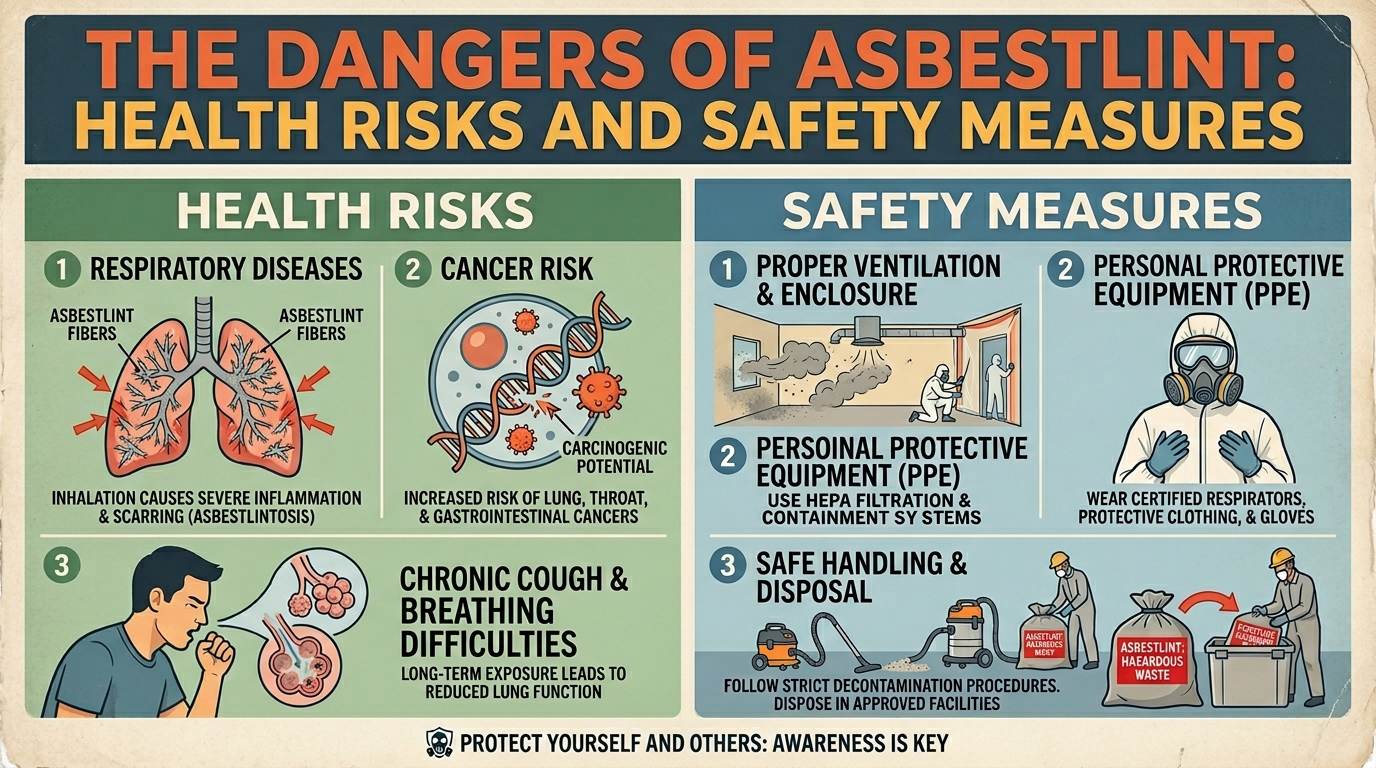
Exposure to asbestos presents serious health risks that cannot be ignored. Inhalation of these tiny fibers can lead to severe respiratory issues over time. Diseases like asbestosis, a chronic lung condition, develop from prolonged exposure.
One of the most alarming outcomes is mesothelioma, an aggressive cancer linked directly to asbestos. This rare disease often remains undetected for years before symptoms manifest, complicating treatment options.
Additionally, other cancers related to asbestos exposure include lung and laryngeal cancers. The latency period can stretch decades, making it challenging for individuals to connect their illness with past exposure.
Even brief encounters with this harmful material pose threats. Families living in homes or working in buildings containing asbestlint are at risk too due to fiber disturbance during renovations or damage.
Understanding these dangers emphasizes the importance of vigilance when dealing with materials suspected of containing asbestos.
Common Locations and Products Containing Asbestos
Asbestlint can be found in various locations and products, making awareness crucial for safety. One common site is older buildings, particularly those constructed before the 1980s. During this time, asbestos was a popular choice due to its fire-resistant properties.
Floor tiles are another common product that may contain asbestlint. Many homes still have these materials installed without any knowledge of their risks. Insulation materials used around pipes and ducts frequently include asbestos fibers too.
In addition, roofing shingles often have traces of this hazardous substance. Even textured paints and patching compounds from decades past may pose a threat if disturbed.
When renovating or repairing an old structure, identifying potential sources of asbestos is vital for ensuring safety during the process. Awareness can prevent exposure to harmful inhalation risks associated with this dangerous material.
Safety Measures to Protect Against Asbestos Exposure
To protect against asbestos exposure, awareness is key. Knowing where asbestos may be present in your environment is the first step.
If you suspect that materials in your home or workplace contain asbestlint, avoid disturbing them. Disturbing these materials can release harmful fibers into the air.
When renovation or demolition projects arise, always hire certified professionals trained in handling hazardous materials. They have specialized tools and techniques to manage asbestos safely.
Use personal protective equipment (PPE) when working in areas potentially containing asbestlint. This includes respirators and disposable coveralls to minimize contact with airborne fibers.
Regularly monitor indoor air quality if you live near older buildings known for asbestos use. Testing can identify unsafe levels of exposure before they become a health risk.
Educating yourself and others about safe practices ensures a proactive approach towards minimizing dangers associated with this toxic substance.
Laws and Regulations Surrounding Asbestos
Laws and regulations surrounding asbestos are crucial in safeguarding public health. Various countries have established strict guidelines to manage its use, removal, and disposal. In many places, the production of new asbestos materials is banned entirely.
Regulatory bodies often require thorough inspections before any renovation or demolition work begins in buildings suspected of containing asbestlint. These assessments help identify potential hazards early on.
Workers exposed to asbestos face stringent protections under occupational safety standards. Employers must provide training on handling this material safely and ensure proper protective equipment is available.
Additionally, there are specific protocols for reporting incidents related to asbestos exposure. Compliance with these regulations not only protects workers but also minimizes risks to the general population living nearby. As awareness grows about asbestlint’s dangers, legislation continues adapting to enhance safety measures further.
Alternatives to Asbestos and the Future of its Use
As awareness of the dangers of asbestlint grows, industries are actively seeking safer alternatives. Materials like fiberglass and cellulose have become popular substitutes due to their superior safety profiles.
Natural fibers such as hemp and cotton are also gaining traction. These sustainable options offer similar insulation properties without the associated health risks.
Innovative technologies continue to emerge. For instance, engineered composites combine various elements for durability while remaining free from harmful substances.
The future looks promising with advancements in material science. Companies focused on eco-friendly designs are paving the way for a healthier environment.
Regulatory pressures will likely accelerate this shift away from asbestos usage. As more organizations prioritize worker safety and environmental sustainability, we can expect to see a substantial decline in reliance on asbestlint over time.
Conclusion: Importance of Being Informed about Asbestos Dangers
Being informed about the dangers of asbestos, particularly asbestlint, is crucial for everyone. Awareness can save lives and prevent serious health issues.
Understanding what asbestos is and its historical use helps us grasp why it remains a concern today. Knowing the potential health risks associated with exposure empowers individuals to make safer choices in their environments.
Recognizing common locations where asbestlint might be found allows homeowners and workers to take necessary precautions. Implementing safety measures can significantly reduce the risk of exposure, ensuring that families are protected from harmful fibers.
Laws and regulations surrounding asbestos serve as frameworks for safety standards. However, being proactive rather than reactive is essential in safeguarding our health.
As we look towards alternatives to this hazardous material, ongoing education will play a vital role in shaping a future free from reliance on dangerous substances like asbestlint. Staying informed not only enhances personal safety but contributes to broader public health efforts against environmental toxins.
Knowledge truly is power when it comes to combating the threats posed by asbestos.