

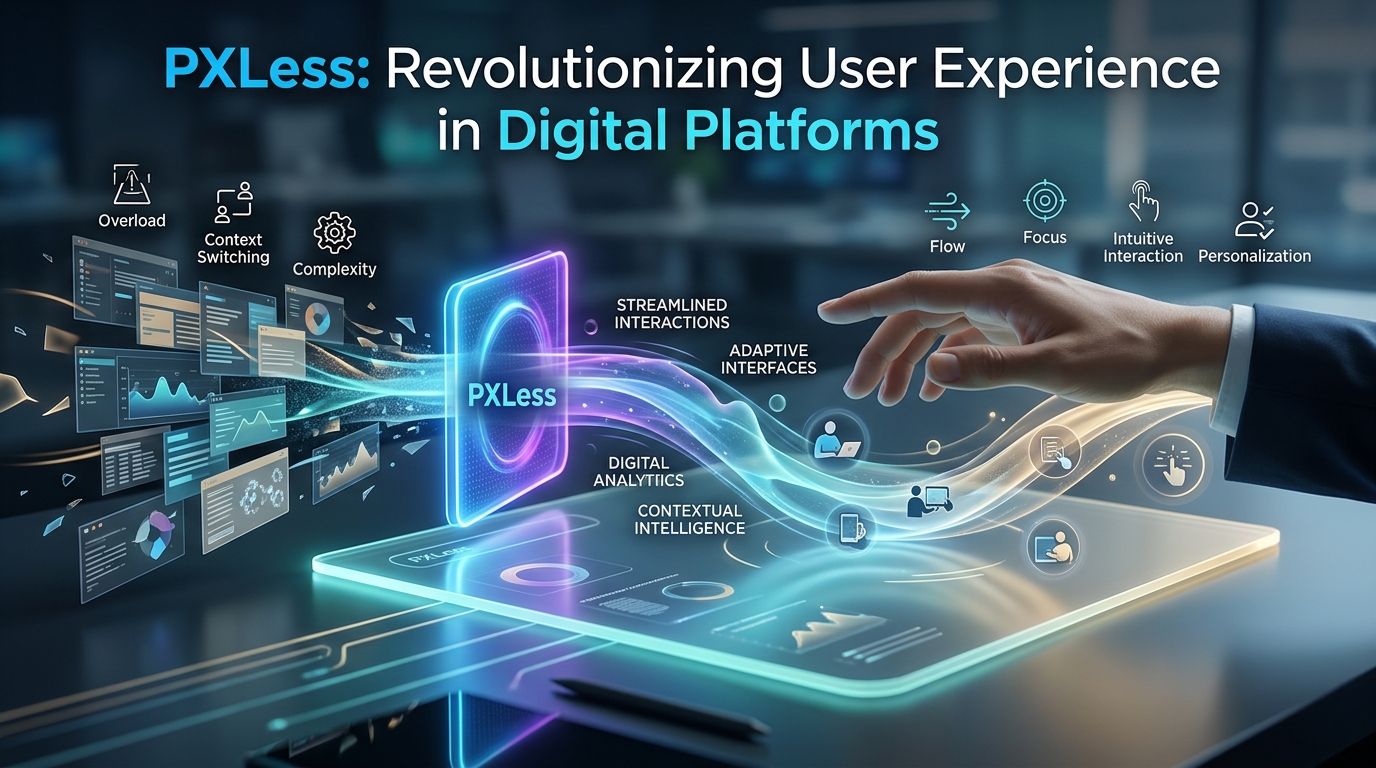
In today’s digital landscape, user experience is everything. With a multitude of platforms vying for attention, businesses must prioritize how users interact with their products and services. Enter PXLess—a transformative approach to user experience design that’s changing the game. Gone are the days when traditional methods dictated how designers approached usability and aesthetics. PXLess empowers organizations to create intuitive experiences that resonate deeply with users.
As we delve into this revolutionary framework, you’ll discover not only what makes PXLess stand out but also why it’s essential for any business looking to thrive in a competitive market. Buckle up as we explore the future of UX design through the lens of PXLess!
The Problems with Traditional User Experience Design
Traditional user experience design often relies heavily on standardized templates and rigid guidelines. This approach can stifle creativity and fail to address the unique needs of users.
Many designers focus too much on aesthetics rather than functionality. A beautiful interface might catch the eye, but if it doesn’t serve its purpose, users quickly lose interest.
Additionally, traditional methods can involve lengthy feedback loops. Gathering user input through surveys or interviews may not reflect real-time behavior, leading to outdated insights that hinder innovation.
There’s also a tendency to overlook accessibility issues. Not all users share the same abilities or preferences; ignoring this diversity alienates significant segments of potential customers.
These conventional practices can create silos within teams. Designers work separately from developers and marketers, which undermines collaboration essential for creating cohesive user experiences tailored to market demands.
What Sets PXLess Apart?
PXLess stands out in the crowded landscape of user experience design through its innovative approach. Unlike traditional methods, it prioritizes real-time feedback from users.
This focus on continuous interaction allows businesses to adapt swiftly. They can respond to user needs as they arise, rather than relying solely on pre-set designs or extensive testing cycles.
Another key differentiator is PXLess’s integration of advanced analytics. By leveraging data insights, organizations gain a deeper understanding of user behaviors and preferences.
Moreover, PXLess fosters collaboration across departments. It breaks down silos between UX designers, developers, and marketing teams. This holistic involvement leads to more cohesive product strategies.
PXLess emphasizes simplicity without sacrificing functionality. Its streamlined processes make it easy for companies to implement changes quickly while maintaining a high-quality user experience.
The Benefits of Using PXLess
PXLess streamlines user interactions, making them more intuitive. This leads to higher engagement rates and increased customer satisfaction.
With PXLess, organizations can tailor experiences to individual preferences. Personalized interfaces create a sense of belonging for users, which fosters loyalty.
Efficiency is another major benefit. By reducing friction in navigation and access to information, users find what they need faster. This efficiency translates into improved conversion rates for businesses.
Additionally, the platform’s robust analytics tools provide valuable insights into user behavior. Companies can adapt their strategies based on real-time data and trends.
By implementing PXLess, teams save time during development cycles as well. Its flexible framework allows for quick adjustments without extensive rework or redesigns.
The emphasis on accessibility ensures that all users can engage with digital platforms effectively. It breaks barriers often faced by those with disabilities or unique needs.
Case Studies: Companies That Have Successfully Implemented PXLess
Several companies have embraced PXLess, transforming their user experience significantly. One notable case is a leading e-commerce platform that struggled with high cart abandonment rates. After implementing PXLess, they streamlined the checkout process, resulting in a remarkable 30% increase in completed transactions.
Another example includes a financial services firm that faced challenges with customer engagement. By adopting PXLess principles, they revamped their mobile app interface. Users reported higher satisfaction levels and longer session times, enhancing overall retention rates.
Additionally, an online education provider utilized PXLess to simplify course navigation. The intuitive layout led to improved user accessibility and increased enrollments by 25%.
These real-world applications showcase how PXLess not only addresses specific pain points but also fosters innovation within various sectors. Each success story highlights the adaptability of this approach across diverse industries while maximizing user engagement efficiently.
Implementing PXLess in Your Organization
Implementing PXLess in your organization starts with understanding its core principles. Begin by assessing your current user experience strategies and identifying gaps that PXLess can address.
Next, gather a cross-functional team. Involve designers, developers, and marketers to ensure diverse perspectives on user needs. This collaborative approach fosters innovation and creativity.
Invest in training sessions for your staff to familiarize them with the PXLess methodology. Workshops can help everyone grasp how this system enhances engagement.
Start small by piloting projects within specific departments or products. Measure the impact of these changes through user feedback and analytics. Adapt based on real-time data; this iterative process is key to success.
Encourage an organizational culture that embraces continuous improvement. Create channels for ongoing communication about experiences using PXLess, fostering a proactive mindset toward UX enhancement across all levels.
The Future of User Experience Design
The future of user experience design is poised for transformation. As technology evolves, so do user expectations. Users now seek seamless interactions across platforms, demanding more intuitive interfaces.
AI and machine learning will play crucial roles in personalizing experiences. These technologies can analyze user behavior in real-time, tailoring content to individual needs and preferences.
Moreover, accessibility will become a central focus. Inclusive design ensures that all users, regardless of ability or background, have equal access to digital spaces.
Sustainability is also emerging as a priority. Designers are increasingly considering the environmental impact of their creations.
With these advancements on the horizon, the essence of effective UX lies in understanding human emotions and behaviors deeply. This shift promises not just improved usability but richer connections between brands and their audiences.
Conclusion
The landscape of digital platforms is evolving rapidly. As user expectations shift, so too must the strategies used to meet them. PXLess emerges as a powerful tool in this transformation, offering a fresh approach that addresses common pitfalls in traditional user experience design.
By focusing on simplicity and intuitiveness, PXLess not only enhances engagement but also fosters loyalty among users. The success stories from various organizations further illustrate its potential impact across industries.
Adopting PXLess could be the key for companies looking to redefine their user interactions and position themselves at the forefront of digital innovation. With continued advancements in technology and consumer behavior, embracing this approach may very well dictate future trends in user experience design.
As businesses strive to keep pace with these changes, exploring solutions like PXLess becomes increasingly vital for sustained growth and effectiveness in engaging users meaningfully. The journey towards optimal user experiences begins here—are you ready to take that step?